Recycling Options and Options for Used Cooking Oil Disposal
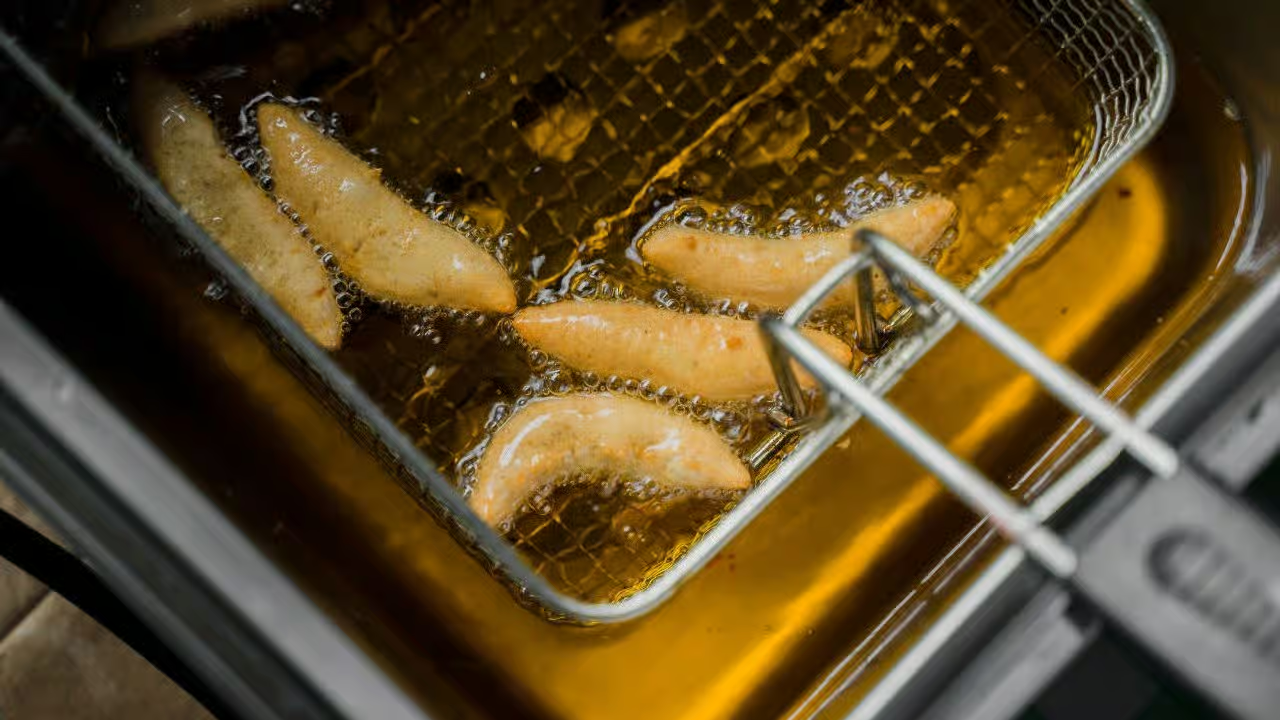
Recycling and proper disposal of used cooking oil are crucial steps in promoting environmental sustainability and preventing potential damage to plumbing systems and local ecosystems. Used cooking oil, if disposed of improperly, can lead to clogged pipes, sewer blockages, and pollution of water bodies. However, there are several environmentally friendly options available for recycling or disposing of this byproduct.
One effective method is to recycle used cooking oil into biodiesel. Biodiesel is a renewable energy source that can replace conventional diesel fuel in vehicles. It burns cleaner than fossil fuels, reducing greenhouse gas emissions and reliance on non-renewable resources. Many communities have established collection programs where residents can drop off their used cooking oil at designated locations or events. These initiatives often partner with biodiesel production companies that convert the collected oil into usable fuel.
Additionally, some companies specialize in collecting used cooking oil from restaurants and households for processing into animal feed supplements after rigorous filtration processes remove impurities. This option not only provides an alternative use for waste products but also supports agricultural industries by contributing to livestock nutrition.
For those who prefer a more hands-on approach, small-scale composting is another viable option options for used cooking oil disposal. When combined with other organic materials like food scraps or yard waste in a compost bin, small amounts of vegetable-based oils can break down over time into nutrient-rich compost suitable for gardening purposes. However, it is essential to limit the quantity added since excessive amounts may hinder the composting process by creating anaerobic conditions detrimental to microbial activity.
In areas lacking formal recycling programs or facilities accepting household quantities of used cooking oils directly from consumers’ homes due primarily because they live rurally without access nearby services offered otherwise within urban centers; creative solutions such as community-driven initiatives could be explored further whereby neighbors collaborate together pooling resources collectively establishing drop-off points temporarily during specific periods throughout year coordinating transportation logistics necessary transporting larger volumes accumulated safely towards appropriate processing sites regionally located elsewhere beyond immediate vicinity itself thereby ensuring responsible management practices adhered consistently across board universally among stakeholders involved alike regardless location differences encountered along way ultimately achieving shared goals sustainably long-term vision everyone benefits equally overall outcome desired achieved successfully end day too!
Ultimately whatever choice made regarding handling leftover grease post-cooking sessions should prioritize minimizing negative impacts environment health well-being society planet whole encompassing broader perspective taking account interconnectedness all living beings inhabiting Earth today tomorrow future generations come yet unborn deserve inherit world cared lovingly responsibly manner possible us now present moment entrusted task fulfilling duty honorably conscientiously behalf sake humanity entirety moving forward together united common cause preserving natural beauty harmony balance life offers abundantly generously giving back reciprocating gratitude mutual respect appreciation shown towards existence itself wondrous gift cherish protect nurture always forevermore amen!
