Weather-Resistant Materials for Long-Lasting Shade Sails
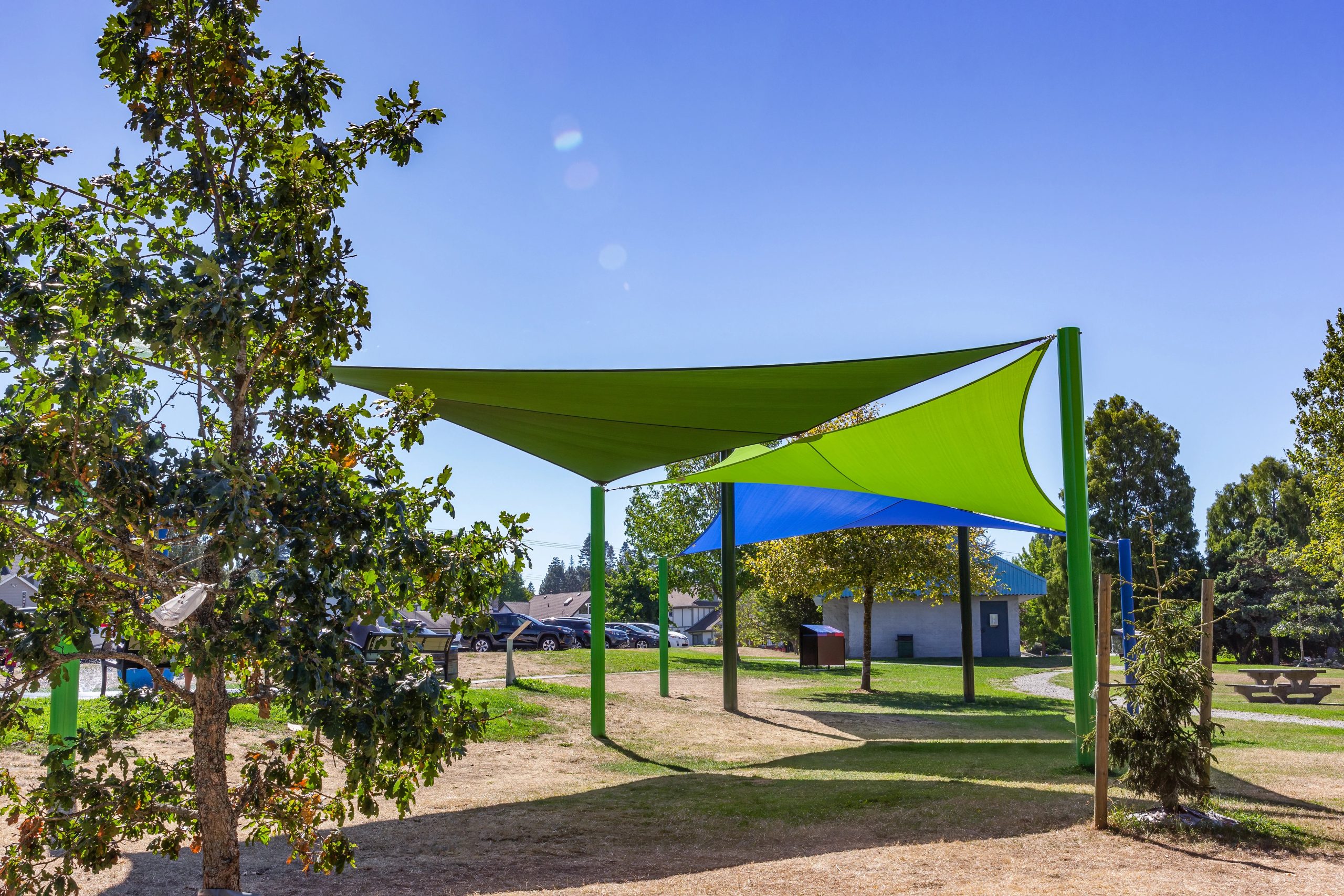
Shade sails have become increasingly popular as a stylish and functional solution for outdoor spaces, offering protection from the sun while enhancing aesthetic appeal. However, to ensure longevity and effectiveness, selecting weather-resistant materials is crucial. The right material can withstand various environmental challenges, providing durability and sustained performance over time.
One of the primary considerations in choosing materials for shade sails is their ability to resist ultraviolet (UV) radiation. Prolonged exposure to sunlight can degrade many fabrics, leading to fading and weakening of fibers. High-density polyethylene (HDPE) is a favored choice due to its exceptional UV resistance. This synthetic fabric not only blocks up to 98% of harmful UV rays but also retains its strength and color over extended periods of sun exposure.
In addition to UV resistance, shade sail materials must be capable of withstanding moisture without compromising structural integrity. Polyester fabrics coated with polyvinyl chloride (PVC) or polyurethane offer excellent water resistance while maintaining flexibility and tensile strength. These coatings create a barrier that prevents water penetration, reducing the risk of mold and mildew formation—a common issue in damp climates.
Wind resilience is another critical factor for shade sails exposed to harsh weather conditions. Materials like PTFE-coated fiberglass are known for their https://shade4you.eu/en_GB/c/SHADE-SAILS-MADE-TO-MEASURE/149 robust wind resistance due to their high tensile strength and minimal stretch under tension. This ensures that the sail maintains its shape during gusty winds without sagging or tearing.
Resistance to temperature fluctuations further enhances the durability of shade sails. In regions experiencing extreme temperatures, materials such as acrylic canvas are preferred because they can endure both intense heat and freezing cold without cracking or warping. Acrylic fibers provide stability across temperature variations while offering vibrant color retention—a key attribute for maintaining visual appeal.
Moreover, selecting eco-friendly materials aligns with growing environmental consciousness among consumers seeking sustainable solutions for outdoor living spaces. Recycled HDPE fabrics exemplify this trend by repurposing plastic waste into durable textiles suitable for shade applications without sacrificing quality or performance.
Ultimately, investing in high-quality weather-resistant materials translates into long-term savings by minimizing maintenance costs and extending product lifespan—benefits that resonate with homeowners seeking reliable shading options year-round.
In conclusion, when choosing weather-resistant materials for long-lasting shade sails, it is essential to consider factors such as UV protection, water repellency, wind resilience, thermal stability, sustainability credentials alongside aesthetic preferences tailored specifically towards individual needs within diverse climatic contexts worldwide; thus ensuring optimal functionality coupled harmoniously together seamlessly integrated within any given environment effectively meeting demand-driven expectations accordingly achieved successfully through informed decision-making processes undertaken diligently pursued proactively fostering enhanced user satisfaction levels attained comprehensively realized holistically overall ultimately resulting positively impacting user experience significantly enhanced beneficially enriched meaningfully fulfilled satisfactorily enjoyed thoroughly appreciated immensely valued deeply cherished enduringly remembered fondly celebrated universally acknowledged widely recognized globally acclaimed deservedly so indeed!